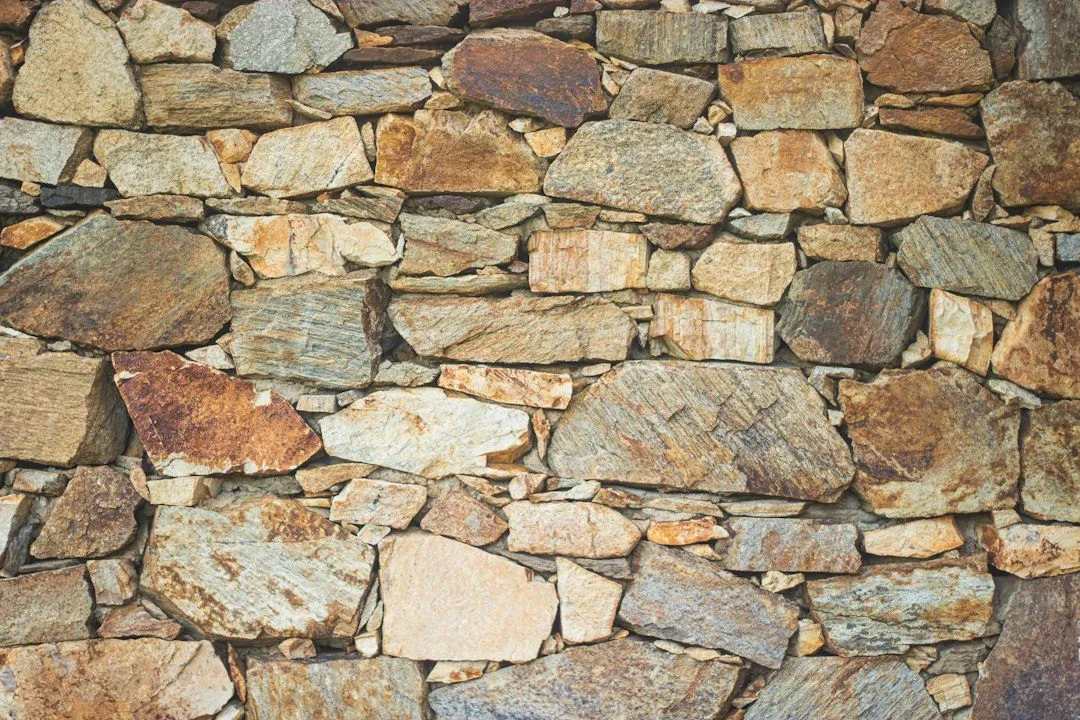
Natural stone countertops are the material decision that shapes everything around them. They also generate the most questions: about maintenance, about durability, about which stone belongs where. Here is a clear-eyed guide to the options.
Natural stone countertop options worth knowing
Most natural stone countertop conversations begin with marble, quartzite, and limestone. They are related but behave very differently.
Marble is the most beautiful and the most demanding. It etches — meaning acid, including citrus and red wine, will leave dull marks in the surface — and it scratches more easily than quartzite. In a kitchen used heavily, it asks for realistic expectations. The studio works with marble when a client understands that what they are getting is a surface that will develop a patina. A marble that has aged is not a damaged marble. It is a kitchen that has been used, and it reads that way.
Quartzite is the workhorse of natural stone. It is harder than marble, resistant to etching, and available in tones ranging from near-white to warm grey. The grain moves more slowly through the slab than marble’s veining. For a coastal kitchen where the surface needs to hold up to real cooking and daily use, honed quartzite is often the recommendation.
Limestone is the softest of the three and the most textural. It works well in lower-traffic surfaces — a furniture countertop, a breakfast bar, a butler’s pantry — where its matte, earthy character can be appreciated without the weight of full kitchen use. In warm coastal light, a French limestone with a matte hone holds that light in a way polished stone does not.
Honed versus polished
The finish choice is as consequential as the stone choice.
A polished finish reveals the full depth of the stone’s colour and veining. It is striking, but it shows fingerprints, water marks, and fine scratches more readily. In strong coastal light, a polished surface can read like a mirror — which either suits the room or overwhelms it.
A honed finish is satin to matte, depending on the stone. It absorbs wear more gracefully than polished, ages better, and reads warmer in direct light. In the approach the studio takes to coastal kitchen design, honed stone is almost always the specification: it sits more quietly alongside the other materials in the room and responds well to bright horizontal light. In San Clemente homes facing strong morning or afternoon sun, that quality of absorption matters.
A leathered finish — a light texturing applied to the surface — is a useful middle ground, particularly for darker quartzites. It reads as natural, hides fingerprints well, and adds a tactile quality. It is not appropriate for all stones.
Sealing and care
Natural stone is porous and should be sealed on installation and periodically thereafter. The frequency depends on the stone: marble needs more attention than quartzite; limestone more than either. Day-to-day care is simpler than most people expect — pH-neutral cleaner, no citrus, no abrasive scrub pads — but it does require a relaxed relationship with the material.
A homeowner who will be distressed every time a glass leaves a ring is not the right client for marble. That is an honest conversation worth having before specifying.
The studio had this conversation on the Stonegate Residence, a project documented in the portfolio. The countertop material there was chosen for the character it would develop over years of use. The client understood that a surface that ages is the intention, not the risk.
A note on alternatives
Engineered stone — quartz products in the Silestone and Caesarstone range — solves the maintenance problem definitively. It does not etch, does not scratch easily, does not require sealing. What it cannot do is develop the character of natural stone, and in a room where the material register matters, that is a meaningful difference.
The studio does not dismiss engineered stone in applications where performance and consistency are the priority. But for a kitchen in coastal Orange County — where the light is particular, the materials conversation is central, and the room is intended to last — natural stone tends to be the recommendation that will still look right in twenty years.
Where to start
The slab itself is the sample. No photograph, digital rendering, or small chip fully conveys how a stone will read in the room. The studio takes clients to the slab yard early in the specification process — before the countertop is ordered, before the cabinetry finish is locked — so the stone can be seen in natural light alongside the other materials it will sit with.
The countertop is one of the two or three material decisions that sets the tone for a kitchen. It deserves that kind of time. Allison approaches stone selection as part of a full kitchen specification — work that falls under the studio’s interior architecture services.
To discuss stone selection for a kitchen or renovation project, get in touch.